Understanding Our Planet to Protect Its Future
From ecosystems to satellites, Earth Science connects the systems that sustain life—and the innovations that will protect it.
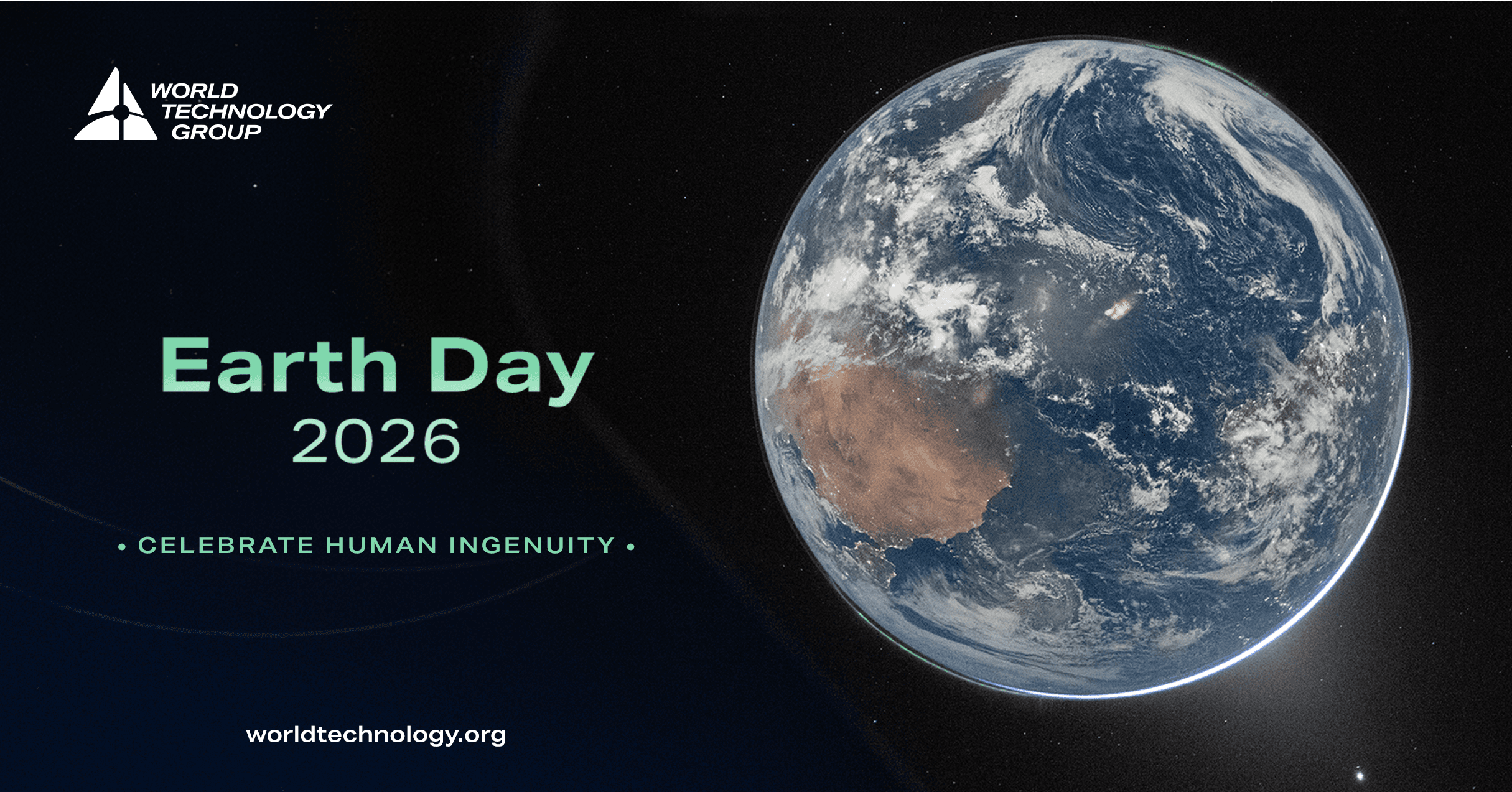
Each year on April 22, more than a billion people around the world turn their attention to the same shared reality: the only home we have.
What began in 1970 as a grassroots environmental teach-in has grown into a global movement, sparking landmark protections like the Clean Air Act and the creation of the Environmental Protection Agency.
But Earth Day has evolved. Today, it is no longer just about awareness. It is about understanding and acting with precision in a world shaped by climate change, resource constraints, and rapidly shifting ecosystems. At the center of that understanding is one of the most essential fields of modern science: Earth Science.
For the World Technology Group, this moment reflects a broader imperative: to connect expertise across disciplines and translate knowledge into meaningful, real-world impact.
Seeing the Planet as a System
Earth Science allows us to see the planet not as a collection of isolated events, but as a connected system. It is how we understand rising temperatures, predict extreme weather, and track changes in ecosystems that sustain billions of lives.
In today’s world, that understanding is powered by Data Science. Satellites orbiting Earth, ocean sensors, and global monitoring systems generate vast streams of information, revealing patterns invisible to the human eye. From melting ice caps to shifting weather systems, Data Science transforms raw measurements into insight—helping scientists and policymakers anticipate change rather than react to it.
At the same time, Earth Science is inseparable from Life Science. Ecosystems are not just environmental features; they are living systems that regulate climate, produce oxygen, and support biodiversity. Understanding how these systems function is essential not only for environmental protection but for human health, food security, and long-term survival.
From Insight to Innovation
Understanding the planet is only the first step. The next is applying that knowledge to build a more sustainable future.
This is where Earth Science intersects with Industrial Science. The same insights that help us study climate patterns also inform how we design cleaner energy systems, develop sustainable materials, and build infrastructure resilient to environmental change. From renewable energy technologies to more efficient transportation systems, Industrial Science translates environmental understanding into tangible solutions.
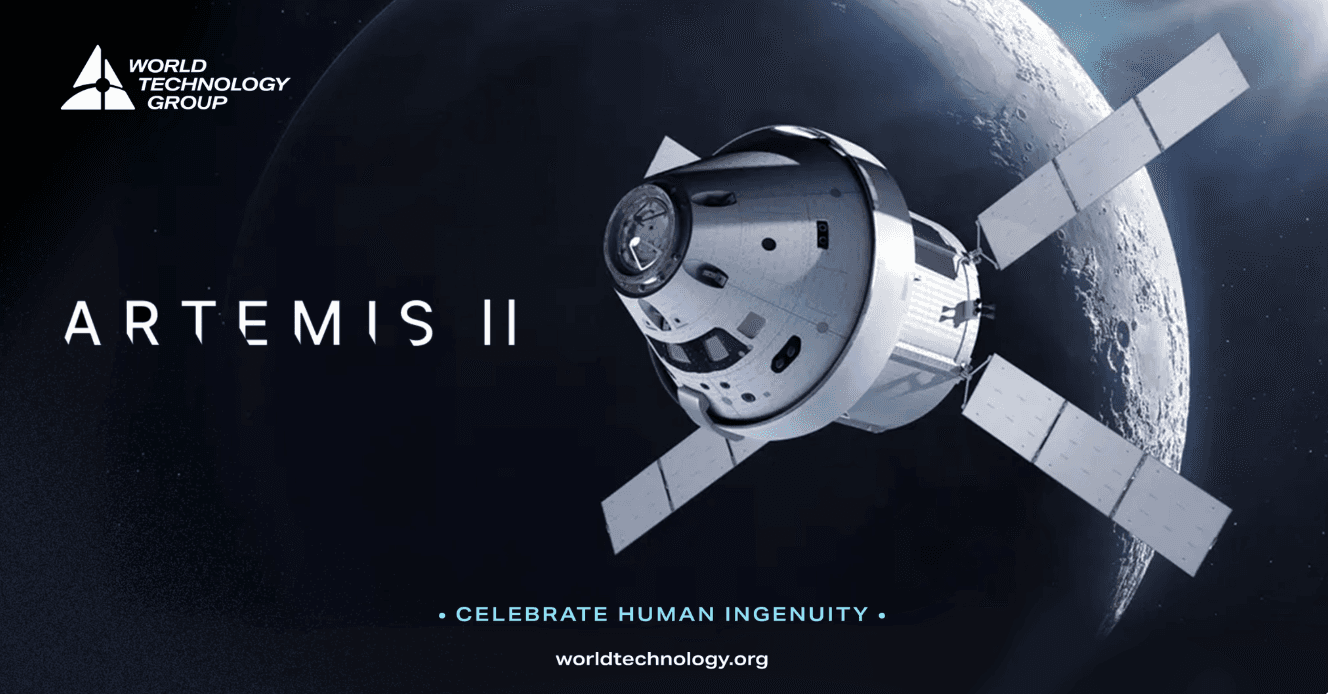
Even humanity’s ambitions beyond Earth reflect this connection. As space agencies prepare for sustained missions to the Moon and beyond, the lessons learned from studying Earth’s systems become essential. Exploration and sustainability are not separate pursuits; they are deeply linked. Missions like Artemis II exemplify this relationship, using knowledge gained from Earth Science to inform how humans can live and operate in deep space—while also driving innovations that benefit life back on Earth.
Why Earth Science Matters Now
Earth Day has always been a call to action. In 2026, it is also a call to think differently—more holistically, more scientifically, and more urgently.
Earth Science sits at the center of that shift, connecting Data Science, Life Science, and Industrial Science into a unified understanding of how our world works. It reminds us that progress is not measured only by how far we advance, but by how well we understand and safeguard the systems that make advancement possible.
This is where organizations like World Technology Group play a critical role in bridging disciplines, fostering collaboration, and convening global expertise to address challenges that no single sector can solve alone.
The challenges facing our planet are complex. But so are the tools we now have to address them.