Beyond the Moon: From One Small Step to Giant Technological Leaps
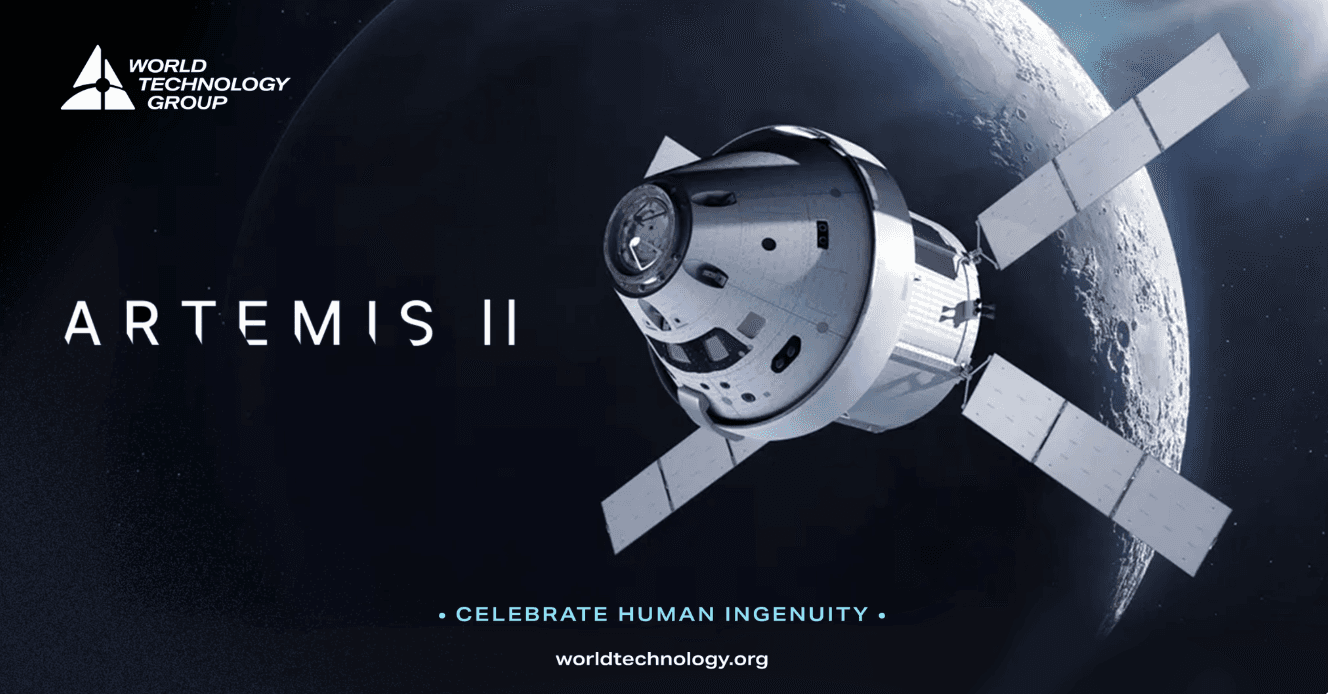
The Artemis II mission is more than a return to lunar orbit. It’s a proving ground for human ingenuity—where life sciences, planetary insight, industrial innovation, and data intelligence converge to shape humanity’s next era of exploration.
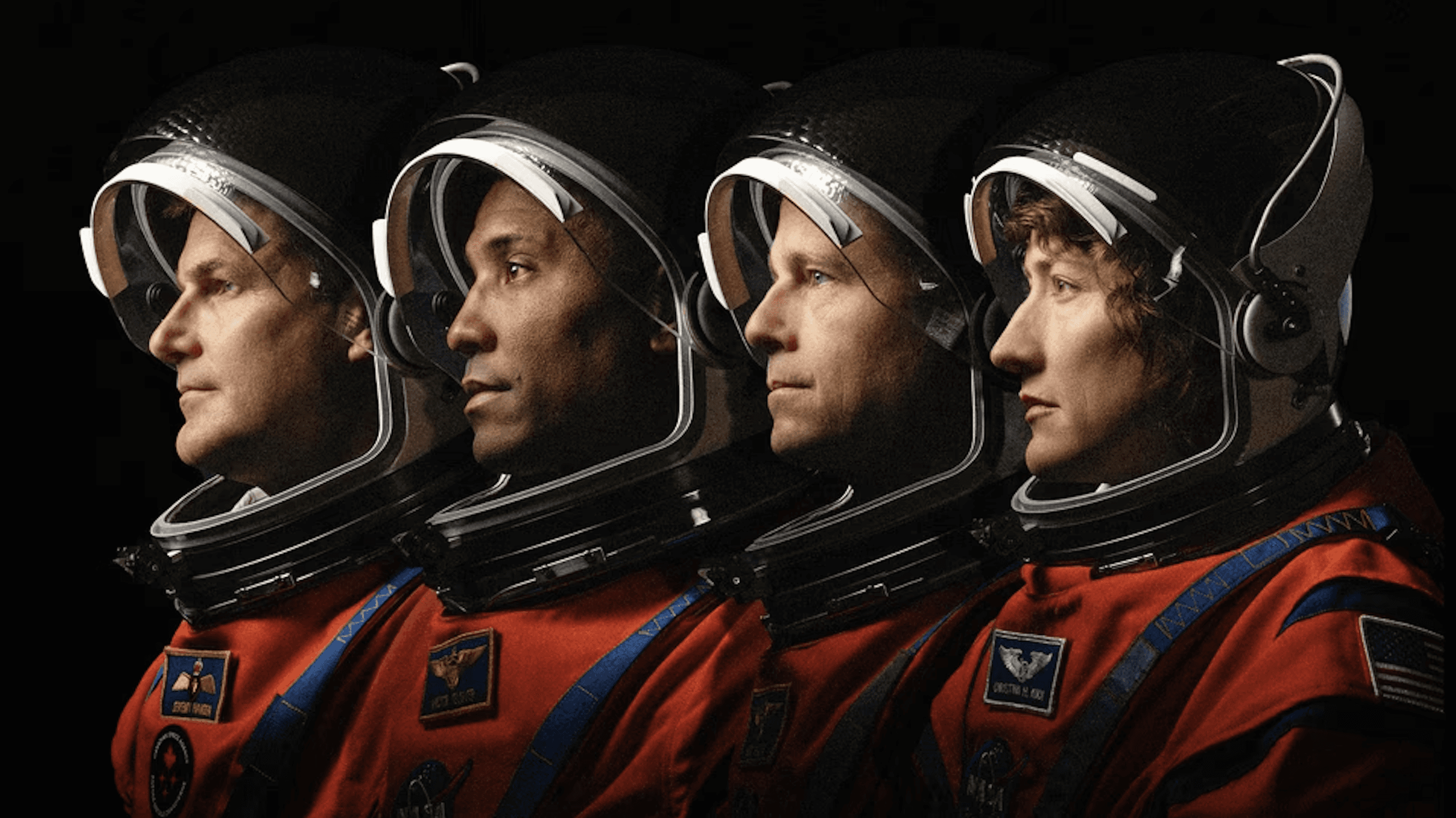
Today, four astronauts began their mission to travel farther from Earth than any humans have in more than half a century. Aboard NASA’s Artemis II mission are Reid Wiseman, Victor Glover, Christina Koch, and Jeremy Hansen—engineers, pilots, scientists, and explorers united by a willingness to leave Earth behind in service of what comes next.
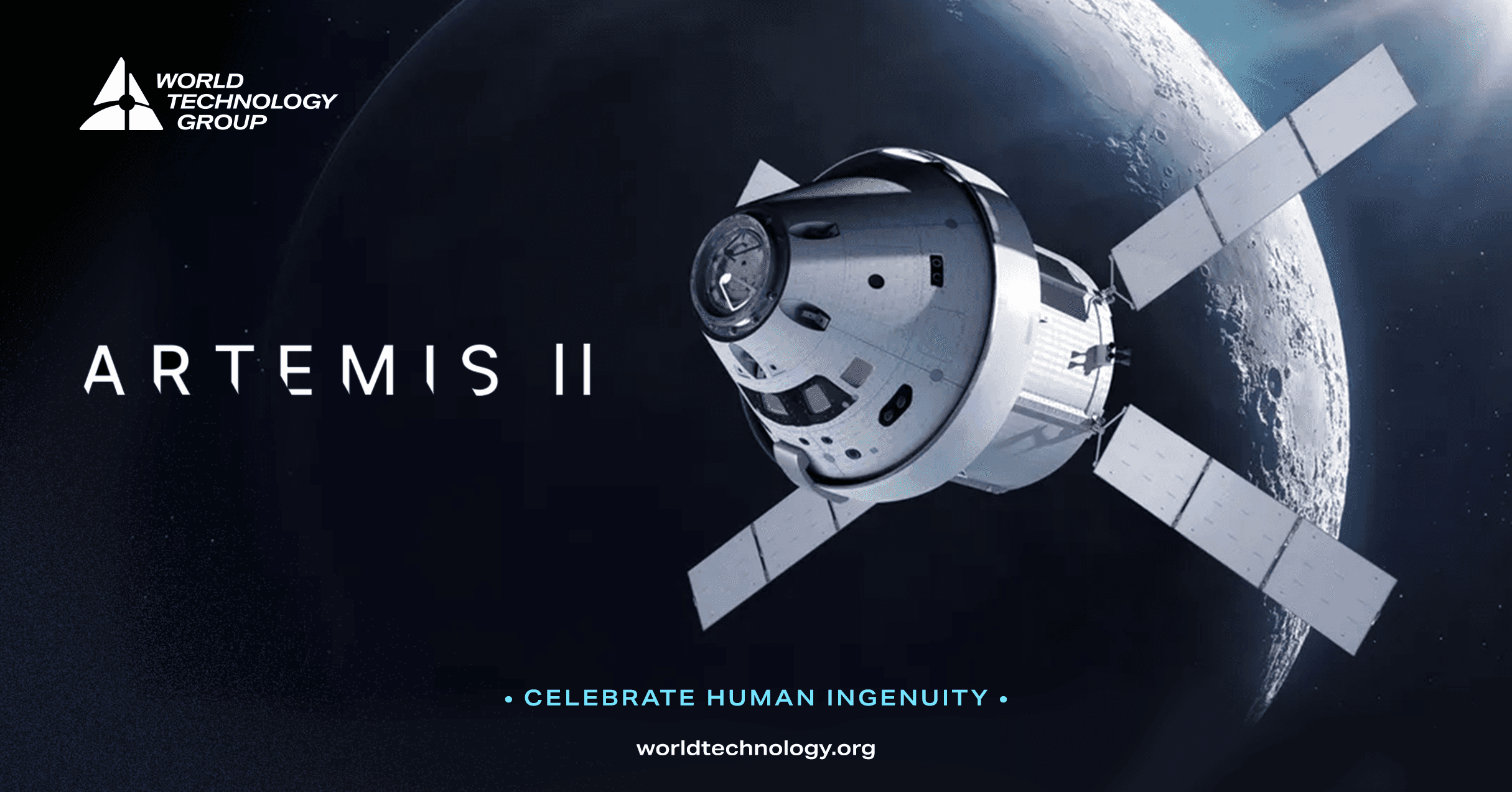
Their mission, which launched successfully on April 1 at 6:35pm (ET), will not land on the Moon or plant a flag. Instead, Artemis II is a deliberate step forward: the first crewed flight of NASA’s Space Launch System rocket and Orion spacecraft, sending humans on a multi-day journey around the Moon and back. It is a rehearsal for sustained lunar presence, a future lunar space station, and eventual human missions to Mars.
Once Orion slips beyond low-Earth orbit, the mission enters genuinely new territory. Outside Earth’s magnetic shield, the crew will experience deep-space radiation levels unseen since Apollo. Every physiological response—sleep cycles, cardiovascular changes, cellular stress—will be closely monitored. This human data is essential, shaping how space agencies protect astronauts during long-duration missions where Earth is no longer a quick return away.
The personal stakes are high. Commander Reid Wiseman leads the mission alongside pilot Victor Glover, whose previous spaceflight experience informs operational readiness. Mission specialists Christina Koch, already a record-holder for longest single spaceflight by a woman, and Jeremy Hansen, the first Canadian to travel to the Moon, bring scientific and international collaboration to the forefront. Together, they embody the truth that exploration is not abstract: it is human, physical, and profoundly courageous.
Yet as Artemis II pushes outward, it also sharpens our understanding of home. From lunar distance, Earth appears fragile and interconnected. Observations gathered during the mission contribute to planetary science models that deepen our understanding of Earth’s climate, geological history, and long-term sustainability. The Moon itself—particularly its far side—offers a living record that helps scientists understand how planets evolve, including our own.
Behind the astronauts is an immense feat of engineering. Artemis II represents years of industrial innovation, from propulsion systems capable of escaping Earth’s gravity to life-support technologies engineered for deep space reliability. Increasingly, however, the most transformative breakthroughs are digital.
NASA’s newest supercomputer, Athena, now anchors the Artemis program’s computational backbone. With the ability to perform tens of quadrillions of calculations per second, Athena compresses what once took centuries of computing into days. Engineers can simulate launches, predict spacecraft stresses, model crew environments, and prepare for countless contingencies before a single astronaut leaves Earth. This computational power doesn’t just make missions safer, it fundamentally changes how complex systems are designed and optimized.
Data is the connective tissue holding Artemis II together. The mission will generate immense volumes of information, from biomedical readings and radiation measurements to spacecraft telemetry and lunar imagery. Advanced analytics and artificial intelligence transform that raw data into insight, driving safer missions and smarter systems.
NASA Administrator Jared Isaacman has framed the mission’s significance clearly.
“NASA’s work has always delivered returns well beyond the mission itself. As we develop the technologies needed for a sustained presence on the Moon and prepare for human exploration of Mars, those innovations will continue to unlock new capabilities across medicine, aviation, agriculture, and other critical sectors, delivering lasting benefits to Earth well beyond the mission.”
More than fifty years ago, one small step proved humanity could reach another world. Artemis II reflects a different truth: that the next giant leaps are not singular moments, but systems woven from human resilience, scientific insight, industrial precision, and data-driven intelligence. The Moon is no longer the goal. It is the gateway.
And beyond it lies a future shaped not by how far we can go, but by how thoughtfully we prepare to get there.
Sources:
https://www.nasa.gov/centers-and-facilities/johnson/preparing-for-artemis-ii-training-for-a-mission-around-the-moon/
https://www.nasa.gov/news-release/nasa-technology-brings-golden-age-of-exploration-to-earth/
https://www.space.com/artemis-2-humans-moon-orbit
https://indianexpress.com/article/technology/science/athena-inside-nasas-fastest-ever-supercomputer-powering-artemis-ii-10501847/