Editing Life’s Blueprints: The Promise and Peril of Human Gene Editing
As gene-editing technology advances, scientists are confronting one of humanity’s biggest questions.
Few scientific breakthroughs have captured the public imagination quite like gene editing.
For decades, the idea of correcting disease-causing mutations in human DNA existed largely in the realm of theory. Today, advances in technologies such as CRISPR and base editing are bringing that possibility closer to reality.
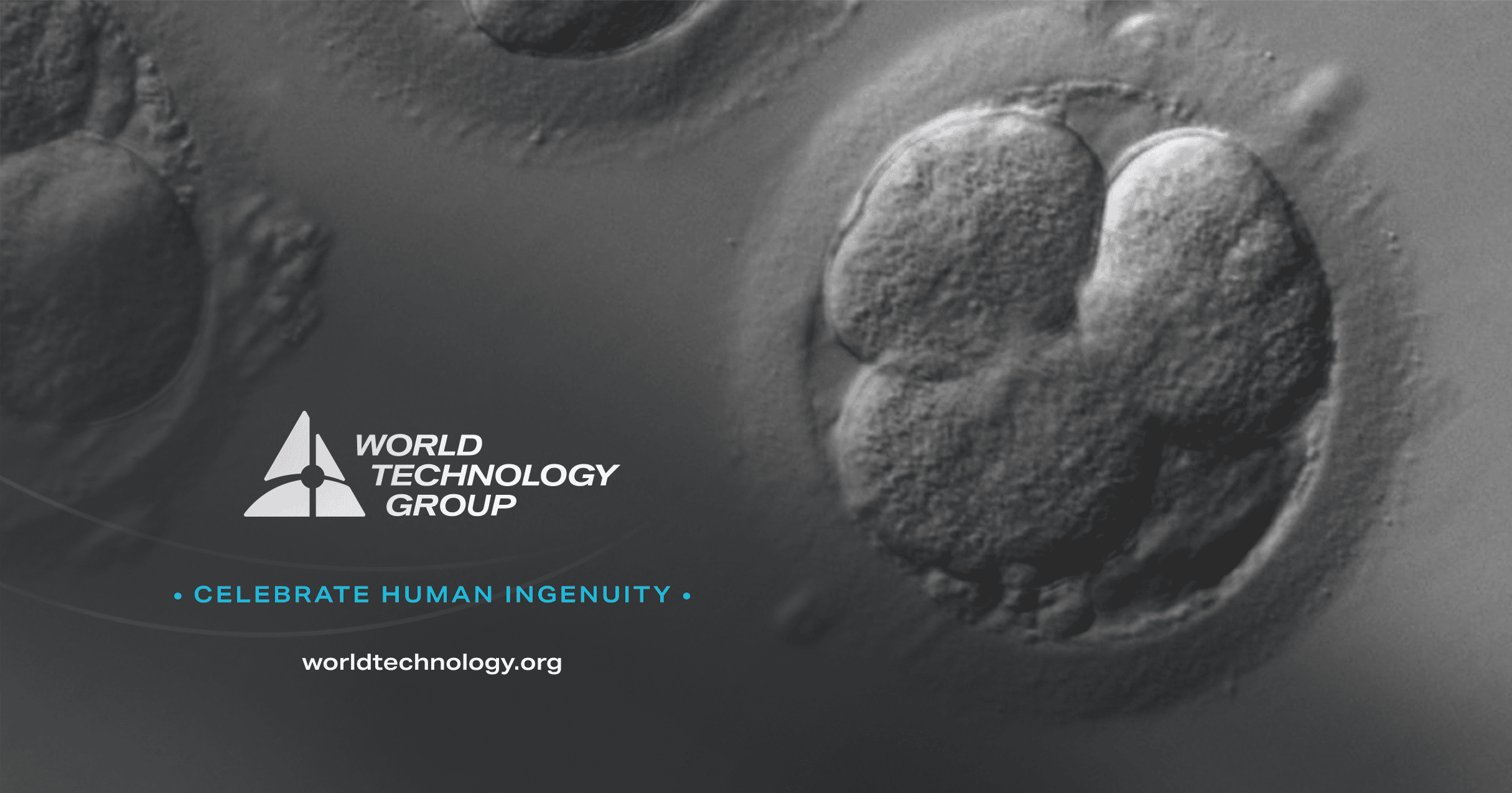
Earlier this month, a team of researchers led by Dieter Egli at Columbia University demonstrated the use of base editing in human embryos, successfully correcting specific disease-associated genetic variants with a level of precision that would have been unimaginable just a decade ago. Yet the study also revealed significant technical limitations, underscoring that clinical applications remain far in the future.
The achievement has reignited one of the most consequential debates in modern science: if we gain the ability to edit the genetic blueprint of future generations, should we?
A New Chapter in Life Science
At its core, gene editing is a Life Science story.
Every cell in the human body contains DNA—a molecular instruction manual that guides growth, development, and biological function. When errors occur in that code, they can contribute to inherited diseases ranging from sickle cell disease to certain forms of heart disease.
Traditional CRISPR techniques work by cutting DNA and relying on the cell's natural repair mechanisms. Base editing, by contrast, allows scientists to change individual genetic letters without creating the double-strand breaks that can sometimes damage chromosomes. In the Columbia study, researchers used this technique to alter genes associated with cardiovascular disease risk and blood disorders. The results demonstrated that precise corrections are possible while avoiding some of the chromosomal abnormalities seen in earlier embryo-editing experiments.
For many scientists, the potential benefits are profound. If perfected, gene-editing technologies could one day prevent devastating inherited conditions before a child is ever born.
Yet the research also highlighted why the field remains far from clinical reality. The team observed "mosaicism" in many embryos, where some cells carried the intended edit while others did not. Off-target edits also occurred, raising concerns about unintended consequences. As the authors themselves noted, translation to clinical use remains premature.
Egli has repeatedly emphasized that the work should be viewed as a contribution to a broader societal discussion rather than a step toward immediate medical use.
"As a scientist, you can provide the data for discussion, but then essentially there you stop and let others take over. We're not saying this should be used clinically tomorrow. There are still important scientific questions to answer, and there needs to be a broader conversation about whether, when, and under what circumstances society would ever want to use a technology like this." — Dieter Egli, Columbia University
The Case For and Against
Supporters argue that continuing this research could ultimately alleviate human suffering on a massive scale.
Bioethicist R. Alta Charo of the University of Wisconsin–Madison sees promise in pursuing the science, provided it can be proven safe and effective.
"I am of the opinion that it is morally defensible to use heritable genome editing if it is proven to be sufficiently safe and effective and if it offers a better alternative than those currently available. The goal is not enhancement, but the prevention of serious disease and suffering where no comparable option exists.”
For families carrying severe inherited diseases, that possibility is compelling. Gene editing could potentially offer options beyond existing approaches such as embryo screening and selection during IVF.
Critics, however, argue that the technology raises concerns that extend far beyond safety.
Some worry that efforts to eliminate disease could gradually evolve into attempts to select preferred traits—whether related to appearance, intelligence, athletic ability, or other characteristics. Others point to the long history of eugenics and caution against introducing heritable genetic modifications whose consequences could persist across generations.
"The improvements shown over previous CRISPR techniques, if they hold up to peer review, still fall far short of calling embryo editing safe. The persistence of off-target effects and mosaicism means we remain a long way from understanding the potential consequences for any individual born from an edited embryo,” the Center for Genetics and Society said in a statement.
Many scientific organizations currently support moratoriums on the clinical use of heritable genome editing while research, regulation, and public discussion continue to evolve.
Beyond What We Can Do
The gene-editing debate ultimately extends beyond technology.
History shows that scientific breakthroughs often arrive before society has fully decided how to use them. Artificial intelligence, nuclear energy, and reproductive technologies all forced humanity to confront questions that science alone could not answer. Gene editing may prove no different.
For World Technology Group's Life Science realm, this moment reflects both the extraordinary potential and the profound responsibility that accompany innovation. The ability to understand, repair, and potentially rewrite human biology represents one of the most powerful scientific capabilities ever developed.
The question is no longer whether gene editing will continue to advance. It almost certainly will.
The larger question is how humanity chooses to guide that progress—balancing the promise of preventing disease with the responsibility of safeguarding future generations.
The future of gene editing will not be determined solely in laboratories. It will be shaped by scientists, policymakers, ethicists, and citizens alike—all grappling with one of the most profound questions of our time: how should humanity use the power to alter life itself?